Why Do High-Touch Surfaces Need a Clear Cleaning Protocol?
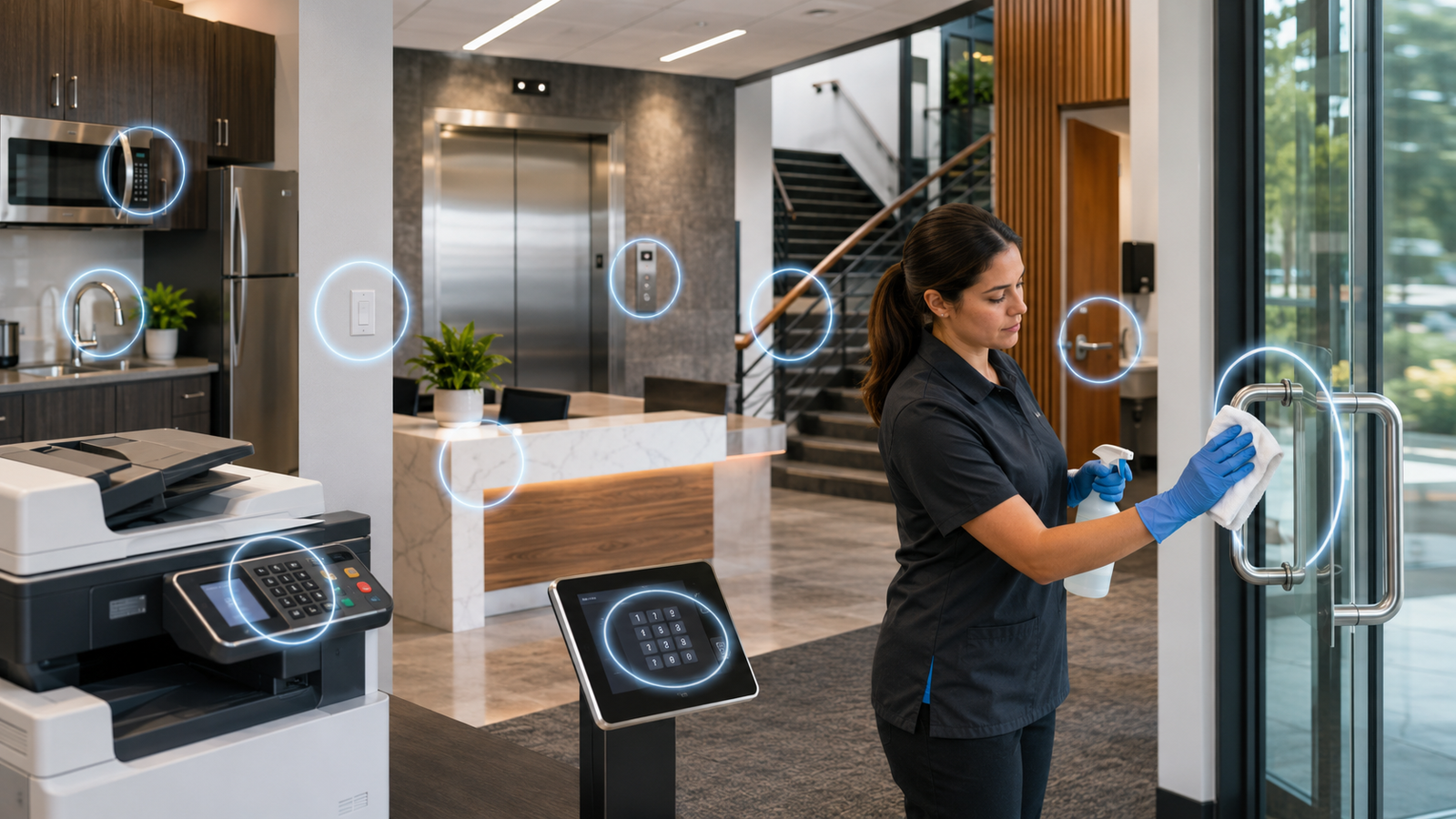
Every commercial building has areas that people touch all day without thinking about it. Door handles, light switches, shared desks, breakroom counters, restroom fixtures, and elevator buttons can collect dirt, oils, bacteria, and viruses because they are used repeatedly by employees, customers, vendors, and visitors.
A high-touch surface protocol gives your business a clear plan for cleaning these areas before they become a hygiene concern. It is not just about making a building look clean. It is about keeping shared spaces safer, more professional, and more comfortable for everyone who walks through the door.
For Bay Area businesses, First Service Janitorial provides commercial cleaning and janitorial support designed for offices, schools, healthcare facilities, government buildings, commercial spaces, and other professional environments. A well-built protocol can help your facility stay consistent instead of relying on quick wipe-downs or irregular cleaning.
What Is a High-Touch Surface Protocol?
A high-touch surface protocol is a written cleaning plan that identifies frequently touched areas, sets cleaning frequency, defines when disinfection is needed, and assigns responsibility. It should explain what gets cleaned, how often it gets cleaned, and what extra steps are needed during illness, heavy traffic, events, or seasonal outbreaks.
A good protocol should include:
- A list of priority surfaces
- Daily cleaning standards
- Disinfection steps for high-risk areas
- Restroom and breakroom procedures
- Supply restocking and waste removal
- Quality checks
- Flexible scheduling for business hours or after-hours cleaning
Professional support from janitorial services in the Bay Area can help businesses turn this protocol into a reliable routine instead of a checklist that gets ignored.
What Are the 15 Most Contaminated Spots in a Commercial Building?
The word “contaminated” should be understood in a practical facility-care sense. These are not ranked by laboratory testing in every building. They are high-risk cleaning priorities because they are touched often, shared by many people, or located in areas where moisture, food residue, or restroom use can increase hygiene concerns.
Why Are Entry Door Handles and Push Plates a Priority?
Entry handles and push plates are among the first surfaces people touch when entering a building. Employees, customers, delivery drivers, and visitors may all use the same door within minutes. These areas should be cleaned daily and more often in high-traffic facilities.
Why Should Interior Door Handles Be Cleaned Often?
Conference rooms, private offices, restrooms, supply closets, and breakrooms all have interior handles that collect repeated hand contact. These surfaces are easy to overlook because they look clean, but they should be part of every daily protocol.
Why Are Light Switches Often Missed?
Light switches are small, but they are touched frequently by different people. Because they are mounted on walls, they may be missed during normal desk or floor cleaning. A strong protocol includes switches in offices, restrooms, storage rooms, conference rooms, and shared work areas.
Why Do Elevator Buttons and Stair Rails Need Attention?
Elevator buttons, stair rails, and access panels are shared by many people in a short time. In buildings without elevators, stair rails still need attention because people often use them for balance. These areas should be cleaned with care because they can be touched hundreds of times per day.
Why Are Reception Counters and Waiting Areas High-Risk?
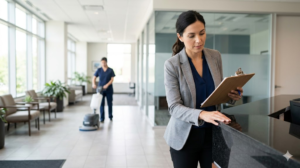
Reception areas create the first impression of your business. They also collect fingerprints, paperwork, pens, payment devices, visitor badges, and personal items. The counter, sign-in area, seating arms, and nearby tables should be cleaned as part of a consistent front-of-house routine.
Why Do Shared Desks and Conference Tables Need a Protocol?
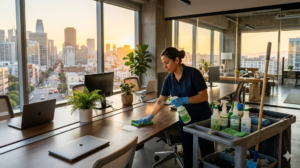
Shared workstations and conference tables can collect skin oils, food crumbs, drink rings, dust, and germs. A conference room may look tidy after a meeting, but the table, chair arms, marker trays, and remote controls may still need cleaning.
For offices, the office cleaning checklist guide is a useful internal link because it supports the same idea of structured, repeatable cleaning.
Why Are Keyboards, Mice, Phones, and Touchscreens Important?
Shared electronics are common in offices, schools, gyms, retail spaces, medical offices, and front desks. Keyboards, mice, shared phones, tablets, copier touchscreens, and check-in screens should be cleaned carefully. Electronics need special handling so liquids do not damage the equipment.
Why Are Breakroom Tables and Counters Major Cleaning Priorities?
Breakrooms are high-use spaces where people eat, drink, prepare food, and gather. Counters and tables may collect spills, crumbs, grease, and moisture. A high-touch protocol should include daily cleaning of breakroom surfaces, plus more frequent attention during lunch periods or heavy use.
Why Do Refrigerator, Microwave, and Coffee Station Handles Matter?
Appliance handles and buttons are touched before and after meals. Refrigerator doors, microwave keypads, coffee machine controls, water dispensers, and cabinet pulls can collect residue quickly. These small contact points should be included in kitchen and breakroom cleaning.
Why Are Restroom Door Handles and Partition Latches Critical?
Restrooms are one of the most important areas in any commercial cleaning plan. Door handles, stall locks, partition latches, and grab bars need routine attention because they are touched repeatedly. They should be cleaned and disinfected based on use level and facility needs.
Why Do Toilet Flush Handles and Urinal Controls Need Special Care?
Toilet flush handles and urinal controls are obvious high-touch surfaces, but they still need a defined schedule. These areas should be cleaned with proper restroom sanitation procedures and product instructions. Businesses that want stronger support can review disinfection cleaning services for high-touch and high-risk areas.
Why Are Sink Faucets, Soap Dispensers, and Countertops Important?
People use sink areas after restroom use, food handling, or messy work. Faucets, soap dispensers, paper towel dispensers, hand dryers, counters, and mirrors should all be part of the restroom cleaning routine. Moisture can also make surfaces look dirty faster, which affects both hygiene and customer perception.
Why Should Trash and Recycling Touchpoints Be Cleaned?
Trash lids, bin rims, recycling handles, liner areas, and nearby floors can collect spills and residue. These touchpoints are common in offices, breakrooms, restrooms, lobbies, and production areas. Trash removal should be paired with cleaning around the container, not just liner replacement.
Why Do Copier, Printer, and Supply Room Surfaces Get Overlooked?
Printers, copiers, mail stations, and supply shelves are shared by many employees. People touch screens, buttons, paper trays, staplers, cabinet handles, and supply drawers. Because these areas do not always look dirty, they are easy to miss unless the protocol lists them clearly.
Why Are Floors Near High-Touch Areas Still Part of the Protocol?
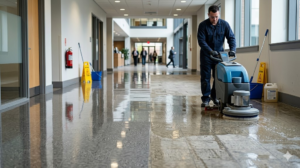
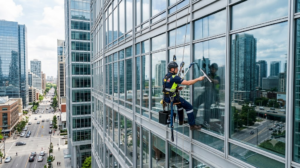
Floors are not always high-touch by hand, but they matter because soil, spills, and debris collect around doors, restrooms, kitchens, and entryways. A complete cleaning plan should combine surface cleaning, floor care, and waste removal. For deeper building support, commercial care services can help with routine office and facility cleaning, floor and carpet care, restroom sanitation, window and glass cleaning, and flexible scheduling.
How Often Should High-Touch Surfaces Be Cleaned?
Most commercial buildings should clean high-touch surfaces at least once daily. Higher-traffic spaces may need cleaning more often, especially during busy hours, events, flu season, or after known illness in the workplace.
A practical schedule may look like this:
- Daily: Door handles, restrooms, breakrooms, counters, tables, trash touchpoints, and shared equipment
- Multiple times daily: Restrooms, reception counters, elevator buttons, breakroom counters, and busy entry points
- After each major use: Conference tables, shared training rooms, event spaces, and food service areas
- As needed: Spills, visible dirt, illness-related cleanup, and special events
Businesses can also review how often offices should be cleaned to connect surface cleaning with overall office cleaning frequency.
How Should Cleaning and Disinfection Work Together?
Cleaning and disinfecting are related, but they are not the same. Cleaning removes visible dirt, dust, oils, and debris. Disinfection uses approved products to kill germs on surfaces. In most cases, surfaces should be cleaned first before disinfecting because dirt can reduce the effectiveness of disinfecting products.
A safe process usually follows this order:
- Remove visible soil and debris.
- Clean the surface with the right product for the material.
- Apply disinfectant when needed.
- Keep the surface wet for the required contact time.
- Allow proper drying.
- Document completion if the facility requires cleaning logs.
For illness-related situations, the blog on how to disinfect an office after a sick employee is a relevant internal resource.
How Can Businesses Build a Better High-Touch Surface Protocol?
A better protocol starts with a walkthrough. List every area people touch often, then group those areas by risk and frequency. A small office, school, medical facility, gym, retail space, and industrial building will not need the exact same schedule.
Your plan should answer these questions:
- Which surfaces are touched most often?
- Which areas get the most visitors?
- Which areas involve food, restrooms, shared equipment, or moisture?
- Which cleaning tasks must happen daily?
- Which tasks need daytime service, nightly service, or both?
- Who checks the quality of the work?
- What happens after illness, spills, or special events?
For businesses that need cleaning across different facility types, the industries served page is a helpful internal resource because it shows how cleaning needs can vary by workplace type.
When Should a Business Use Professional Janitorial Support?
A business should consider professional support when cleaning tasks become too frequent, too specialized, or too important to leave to staff members. Employees may wipe their own desks, but that is not the same as a complete facility cleaning plan.
Professional janitorial support is useful when you need:
- Consistent daily or weekly cleaning
- Restroom sanitation and supply management
- High-touch surface disinfection
- Breakroom and kitchen cleaning
- Trash and recycling service
- Floor and carpet care
- Window and glass cleaning
- After-hours cleaning
- One-time deep cleaning after events, move-ins, or seasonal needs
If your building needs a reset before starting a recurring plan, one-time commercial cleaning services may be a good fit.
How Can First Service Janitorial Help With High-Touch Surface Cleaning?
First Service Janitorial supports commercial buildings with professional janitorial services, disinfection services, commercial care services, and one-time cleaning options. For businesses across San Jose and the Bay Area, this can help reduce inconsistent cleaning, missed touchpoints, and unclear responsibility.
A high-touch surface protocol works best when it is simple, documented, and repeated. The goal is not to overcomplicate cleaning. The goal is to make sure the most-used surfaces receive the right attention at the right time.
Which Works Were Cited?
Centers for Disease Control and Prevention. “When and How to Clean and Disinfect a Facility.” CDC, 16 Apr. 2024.
Centers for Disease Control and Prevention. “Difference Between Cleaning, Sanitizing, and Disinfecting.” CDC.
United States Environmental Protection Agency. “Selected EPA-Registered Disinfectants.” EPA.
United States Environmental Protection Agency. “What’s the Difference Between Products That Disinfect, Sanitize, and Clean?” EPA.
What Questions Do Businesses Ask About High-Touch Surface Protocols?
What Is the Most Important High-Touch Surface to Clean First?
Entry door handles, restroom touchpoints, breakroom surfaces, and shared electronics are usually top priorities because many people use them throughout the day. The exact order depends on your building layout, traffic, and facility type.